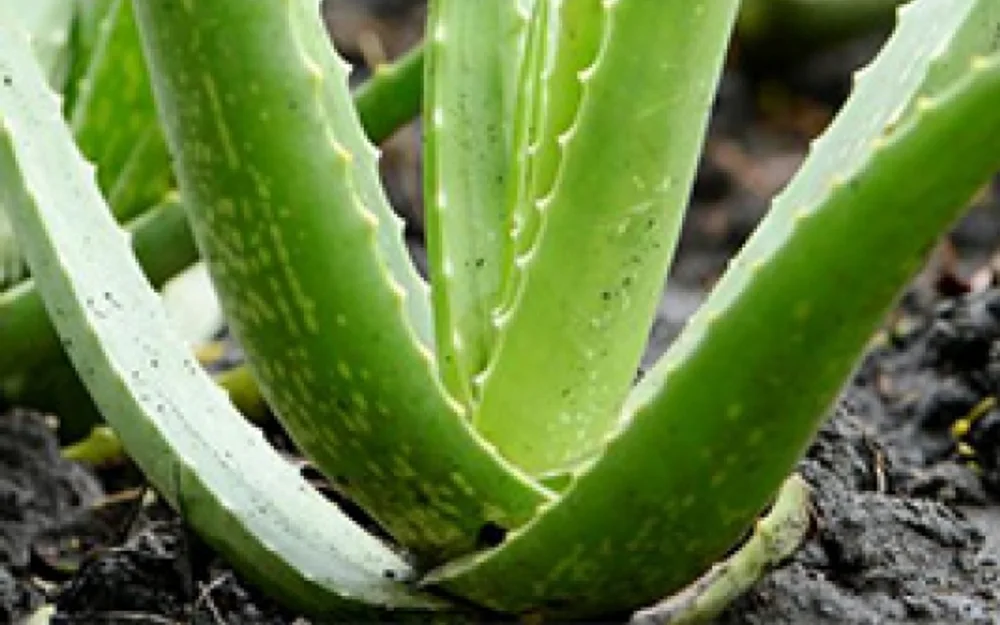
There are moments when nothing has an explanation. The body hurts without the doctor finding anything. The business falls. The partner leaves from one day to the next. And the question many Hispanic people ask themselves, quietly or in silence, is whether there is something more behind all of that. What sabila is for is a search that comes from that place: not from curiosity, but from real need.
What the tradition knows about sabila
In Mexico, the Caribbean and Central America, sabila is not only a medicinal plant. It is a spiritual ally with centuries of use in folk curanderismo. Grandmothers placed it at the entrance of the house. Curanderos use it in cleansings. Midwives knew it from before pharmacies existed.
Its scientific name is Aloe vera, but in the Hispanic spiritual tradition it is simply called sabila, and it carries a meaning that goes beyond botany. It is credited with the ability to absorb heavy energies, protect the home environment and strengthen the energetic field of whoever uses it.
Sabila for protection: what the tradition says
One of the most widespread ways of using sabila is as a protective shield. In many Hispanic homes a leaf of sabila is placed behind the front door, sometimes tied with a red ribbon. The belief, passed from generation to generation, is that the plant absorbs the negative energies that come in with visitors or with other people's envy.
When the leaf turns brown or dries out very quickly with no apparent climate reason, many curanderos read that as a sign: the plant absorbed something that would otherwise have affected the people in the house.
Sabila and the evil eye
The evil eye is one of the most common afflictions in the Hispanic spiritual tradition. It can come from an envious gaze, from a comment loaded with resentment, or from someone who admires without meaning harm. The most frequent symptoms are unexplained tiredness, irritability, crying for no reason in small children, and a feeling of weight in the head or chest.
Sabila is used in this context in several ways. In some cleansing rituals, the curandero passes a leaf of sabila over the affected person's body while praying. In others, the gel is mixed with holy water to wash the hands or the face. The purpose is not medical. It is to restore the energetic balance the evil eye disturbed.
Sabila in spiritual cleansings: how it works
A spiritual cleansing is a ritual procedure meant to remove negative energies from the body, the mind or the surroundings. It is not magic. It is a practice with roots in pre-Hispanic curanderismo, folk Catholicism and traditional Mesoamerican medicine.
Sabila appears in cleansings along with other herbs such as rue, basil or rosemary. The curandero uses these plants while reciting prayers or invocations, moving them over the person's body from head to feet. The process can last between 20 and 45 minutes.
What sabila does in this context, according to the tradition, is act as a receiver: it draws in and holds the heavy energies that come loose from the body during the cleansing. That is why, at the end of the ritual, the plant used is discarded far from the home, usually in the earth or in running water.
Sabila for the home: when the atmosphere feels heavy
There are houses where the air feels different. Conflicts that do not stop, arguments for no reason, children who do not sleep, unexplained noises. Many Hispanic families identify this as a loaded atmosphere, and sabila is one of the first resources they use to clean it.
A common practice is to place a glass with water, coarse salt and a leaf of sabila in the room where the load is felt most. It is left three or nine days, depending on the regional tradition, and then the contents are discarded outside the home. Another variant includes burning copal incense next to the plant to amplify the effect.
These practices do not substitute for looking at the physical surroundings, the family dynamics, or factors such as stress or lack of sleep. But for many people, the ritual has a symbolic value that helps restore calm and a sense of order.
Sabila and envy: recognizing when someone affects you
Envy is one of the forces Mexican and Caribbean curanderismo identifies as a frequent cause of hard streaks. Whoever envies you does not always do it with conscious intent. Sometimes it is enough for someone to want what you have intensely, or to speak ill of you behind your back.
The signs the tradition links to harm from envy include: repeated financial losses with no logical explanation, sudden withdrawal of people close to you, a feeling of constant blockage in projects that seemed solid, and disturbing dreams.
Sabila comes in here as a tool of preventive protection. Having the plant in the workspace or the home does not remove envy from the world, but many curanderos describe it as a filter that cushions the impact of those energies.
When the problem is not spiritual and what to do
This is a point serious curanderos never avoid. Not everything that hurts is work done against you. Not every bad streak is witchcraft. There are situations that require medical, psychological or legal attention, and no cleansing resolves them.
If you have persistent physical pain, do not abandon the doctor. If you are going through depression or severe anxiety, see a mental health professional. If your business has financial problems, an accountant or legal advisor can help you more than a ritual.
Curanderismo and medical care do not fight each other. Most curanderos with a real track record say it plainly: the spiritual cleansing works in the energetic dimension. The doctor works in the physical dimension. Both can go together.
What can point you toward thinking about a spiritual component is this: when you have already exhausted the logical explanations and the discomfort persists. When several areas of your life deteriorate at the same time with no apparent cause. When you feel something is wrong, but nobody can tell you exactly what.
Common mistakes when using sabila for spiritual purposes
Many people come to these practices without guidance and make mistakes that, according to the tradition, can neutralize the effect or even make the situation worse.
- Using sabila without clear intention. A ritual without conscious purpose loses strength according to curanderismo.
- Not discarding the plant used in the cleansing. If the sabila absorbed negative energies and you bring it back inside the home, those energies come back.
- Mixing practices without understanding them. Combining different traditions without knowledge can create ritual contradictions.
- Expecting immediate results. Spiritual work with plants requires time, consistency and faith.
- Buying services from people who promise guaranteed results within days. That is not curanderismo: it is a scam.
Frequently asked questions
Does sabila work to draw good energy or only for protection?
The tradition credits it with both uses. In its protective function, it absorbs the negative. In its harmonizing function, it is said to stabilize the atmosphere and favor a state of calm that draws more positive situations. But it is not a luck magnet. It is a tool of balance.
How many times can I use the same sabila leaf in a ritual?
In most traditions of Mexican curanderismo, the leaf used in a cleansing is discarded once the ritual is over. It is not reused because it is considered to have done its job and to be loaded with what it absorbed.
What does it mean if my sabila plant dries out fast for no reason?
Before giving it a spiritual reading, check the physical conditions: overwatering, lack of light, damaged roots. If the plant is in good physical condition and still deteriorates, some curanderos read it as a sign that it is working: absorbing energies from the surroundings. In that case, it is replaced with a new plant.
Can sabila help when I suspect someone did work on me?
Sabila is part of several counteracting rituals in folk curanderismo. But if the situation is serious and the suspicion is well founded, most curanderos recommend a direct consultation with a specialist before trying remedies on your own.
Is there a difference between a sabila cleansing and an egg cleansing?
Yes. The egg cleansing works mainly as diagnosis: the curandero reads the egg to detect what is affecting the person. The cleansing with sabila and other herbs is more about active removal. Many curanderos combine both in a single session.
Can I do a sabila cleansing myself at home?
There are basic practices people without training do at home, such as passing a leaf over the body while saying a prayer. For mild situations, this can have a calming effect. For situations of intense load or when deliberate spiritual harm is suspected, the tradition recommends an experienced curandero. Acting alone in those cases may not be enough.
Does sabila also work to protect businesses or shops?
Yes. In many Hispanic businesses in the United States it is common to find a sabila plant near the entrance or at the register. The intention is to protect the flow of work from envy and the heavy energies that can come in with customers or competitors.
When to seek guidance from a specialist
If you have felt for a while that something does not add up, that you have tried everything and the discomfort persists, maybe it is time to talk with someone who understands this language. Don Jacinto Nahual is a curandero from Catemaco, Veracruz, a region with one of the deepest spiritual traditions in Mexico. He has spent more than 30 years in this work, with knowledge passed down to him directly by his elders. He works in English and Spanish.
He sees people in Los Angeles, Long Beach and Santa Ana, among other cities in Southern California. His work includes cleansings with herbs and prayers, spiritual guidance, energetic protection and harmonizing the family or business environment. The consultation can be in person by appointment, or by call or message if you need a first orientation.
Don Jacinto does not promise miracles or immediate results. His philosophy is clear: spiritual work is discipline, faith and strengthening of the spirit. What sabila is for, in the end, depends on the intention and the context in which it is used. And sometimes that answer is best given by someone who has walked this road his whole life.