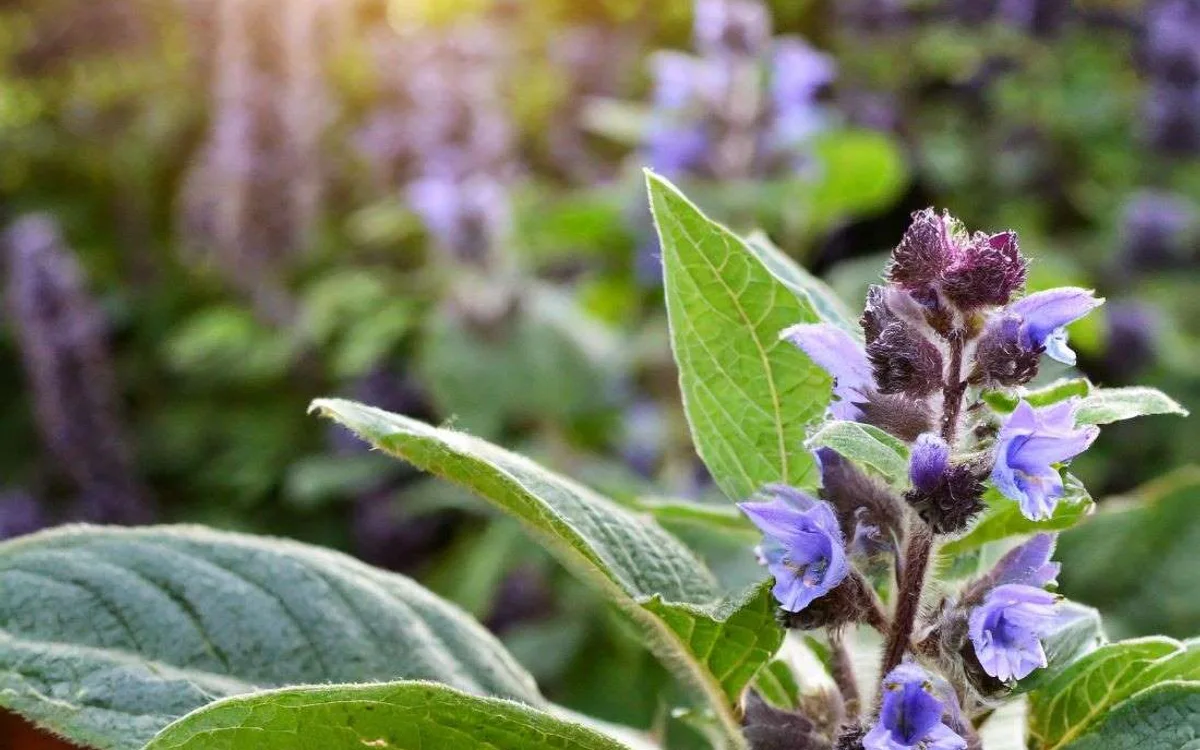
If you got here looking for what boldo tea is for, your body is probably telling you something. Maybe you have spent days with a heavy stomach, an inflamed liver, or you simply feel something is not right and conventional medicine gives you no clear answer. What boldo tea is for is a question the Hispanic community in the United States has spent generations answering in kitchens, herb shops and botanicas. This plant has a long history, and it deserves an honest explanation.
What boldo is and where it comes from
Boldo is a tree native to Chile and Peru. Its scientific name is Peumus boldus. The leaves of this tree have a strong, almost medicinal smell that warns you from the first moment that this plant is not decorative.
In traditional Latin American medicine, boldo has for centuries been the first answer when the liver hurts, when digestion fails, or when the body accumulates what it cannot process. The Andean peoples used it long before any pharmacy arrived.
Today you find it in Mexican herb shops in East Los Angeles, in Central American markets in Long Beach and in botanicas serving the whole Hispanic community of Southern California. It is not a rarity or a fad. It is a tool that has passed from hand to hand for generations.
What boldo tea is for: its main uses
The most documented use of boldo is for the liver. The plant contains boldine, an alkaloid that stimulates bile production and helps the liver process fats and toxins. When the liver works with difficulty, the body signals it: tiredness with no explanation, nausea after eating, mild pain under the ribs on the right side.
Boldo tea also relieves heavy digestion. Many people drink it after large meals, especially ones with fatty meats or fried food. It acts as a digestive by stimulating the natural movement of the digestive system.
Other uses recognized in the tradition
In different regions of Mexico, Central America and the Southern Cone, boldo is also used to calm intestinal cramps, reduce gas, and support slow intestinal transit. Some people drink it when they feel their stomach "upset" from stress or nerves.
In the curandero tradition, boldo also has a place as a purifying herb. It is used in certain preparations together with other plants to clean the body of accumulated impurities, both physical and energetic. This dimension of boldo is less known outside traditional medicine circles, but it is part of its history.
How to prepare boldo tea correctly
The preparation is simple. Use two to three dried boldo leaves per cup of hot water. Do not boil it directly: heat the water until it is about to boil, turn it off, add the leaves and cover the cup. Let it steep for eight to ten minutes.
The result is a bitter tea, greenish yellow in color. You can add a slice of lemon or a small spoonful of honey if the taste is too strong.
The most common way is to drink it once a day, preferably on an empty stomach or after the main meal. Two weeks of continuous use is the reasonable limit. Boldo is not an herb to drink every day indefinitely.
When boldo works and when it is not enough
This is the part that matters most to understand. Boldo tea works for mild digestive and liver problems. A liver tired from poor diet, slow digestion, passing discomfort after overeating. For that, it is a valid tool with centuries of backing.
But there are symptoms that are not digestive. Some people have spent months with a discomfort the doctor cannot find, with a fatigue that does not improve with rest, with a feeling of heaviness that goes beyond the liver. Some people feel that something in their life broke all at once, with no medical explanation to justify it.
Boldo is not the answer to all of that. And not assuming it is can be the difference between finding real help or continuing to go around in circles.
Boldo in traditional Hispanic medicine: beyond the liver
In the tradition of Mexican and Central American curanderismo, medicinal herbs rarely work alone. Boldo is part of a view of the body where the physical and the spiritual are not separate.
An experienced curandero knows that a sick liver can be the result of many things: diet, stress, repressed emotions, and in some cases, energies the body carries without having chosen them. Herb cleansings, prayers and medicinal preparations work together because that view of the human being is more complex than a single cause.
Boldo appears in several cleansing rituals as part of preparations that combine digestive plants with protective plants. Not because it is magic. Because in that tradition, cleaning the physical body and cleaning the energetic field are part of the same process.
What the evil eye and envy can do to the body
There is something many people do not say out loud because they fear it sounds like superstition. But they think it: "what is happening to me has no normal explanation."
In the Hispanic spiritual tradition, the evil eye and work done against a person can show up in the physical body. Frequent nausea, persistent headache, fatigue with no medical cause, loss of appetite. They are not invented symptoms. They are signs that traditional medicine reads differently.
Some people arrive after months of feeling ill with no clear diagnosis. They have been to the doctor, had tests done, and everything comes back "normal." But they know something is not right. That experience is real, and the curandero tradition has a framework to understand it.
Boldo can relieve the physical symptoms that come with that state. But a cleansing with prayers and herbs led by someone with experience can work on the root of the problem the body is showing.
Contraindications of boldo tea you should know
Boldo is not harmless if used wrongly. These are the situations in which you should not drink it.
- Pregnancy. Boldo stimulates uterine contractions and can be dangerous.
- Serious liver diseases, such as cirrhosis or active hepatitis. Boldo in high doses can be hepatotoxic.
- Obstructive gallstones. Stimulating bile can worsen the condition.
- Breastfeeding. There is not enough evidence about its safety for nursing mothers.
- Prolonged use. More than two continuous weeks without a break is not recommended.
If you are taking medication for the liver or the gallbladder, consult your doctor before adding boldo to your routine. Herbs interact with drugs.
The difference between a physical problem and a spiritual one: signs to watch
This is a question few people ask directly, but many have. How do I know if what is happening to me is of the body or of something more?
Some indications the curandero tradition reads as spiritual signs are:
- Streaks of bad luck that pile up in a short time: work, partner, health, all at once.
- Recurring disturbing dreams with no clear emotional explanation.
- A feeling of being watched or followed, with no concrete cause.
- Abrupt mood changes in people who are normally stable.
- Physical symptoms that appear and disappear with no recognizable medical pattern.
None of these indications replaces a medical evaluation. But do not ignore them either if the doctor finds nothing and you keep feeling unwell. Both dimensions can coexist.
Frequently asked questions
How many times a day can I drink boldo tea?
One cup a day is enough. Drinking more does not speed up its benefits and can irritate the liver if consumed in excess. The moderate dose is the one that works.
Does boldo tea help with weight loss?
Not directly. What it does is help the liver process fats more efficiently and improve digestion. If the excess weight is related to slow liver function, there may be an indirect improvement. But it is not a fat burner.
Can I drink boldo if I have fatty liver?
In mild cases of uncomplicated fatty liver, boldo can help. But if the fatty liver already has inflammation or fibrosis, consuming boldo without supervision can be counterproductive. Consult a doctor first.
Does boldo help with nerves or anxiety?
In small doses, boldo has a mildly sedative effect that some people experience as relief from digestive stress. It is not an anxiolytic. If anxiety is the main problem, boldo is not the right tool.
Can boldo be combined with other herbs?
In traditional medicine, yes. Boldo is combined with chamomile, dandelion or artichoke to support the liver and digestion. Combinations that include stronger plants should be prepared by someone with real knowledge of herbal medicine.
Is boldo tea used in spiritual cleansings?
In the curandero tradition, boldo appears in cleansing preparations because its purifying action on the physical body is linked to cleaning the energetic field. It is not drunk only for that purpose. An experienced curandero knows which herbs to combine and how to use them in a cleansing ritual.
How long does boldo take to have an effect?
For acute digestive discomfort, some effects are felt within one or two days of steady use. To support liver function more deeply, the process takes one to two weeks of regular use.
When to seek guidance from a specialist
If you have spent weeks feeling something is out of order and home remedies are not enough, sometimes what is needed is not one more herb. It is someone who knows how to read what is happening beyond the physical body.
Don Jacinto Nahual is a curandero from Catemaco, Veracruz, a region known for a spiritual tradition with more than four centuries of history. He has spent more than 30 years practicing cleansings with herbs and prayers, spiritual guidance, energetic protection and harmonizing the home. His knowledge was passed down from generation to generation, not learned in a course. He works in English and Spanish.
He sees people in person by appointment in Los Angeles, Santa Ana, and other Southern California communities where a large part of the Hispanic community seeking this kind of support lives. He also gives guidance by call or message for those who cannot come in person.
Don Jacinto does not promise miracles or immediate results. His philosophy is clear: spiritual work is discipline, faith, and strengthening of the spirit. Boldo tea can relieve what the liver carries. A well-done cleansing can work on what the body cannot process alone.